China's 2026-2030 Coal Plan: Why Methane and Carbon Efficiency Now Matter
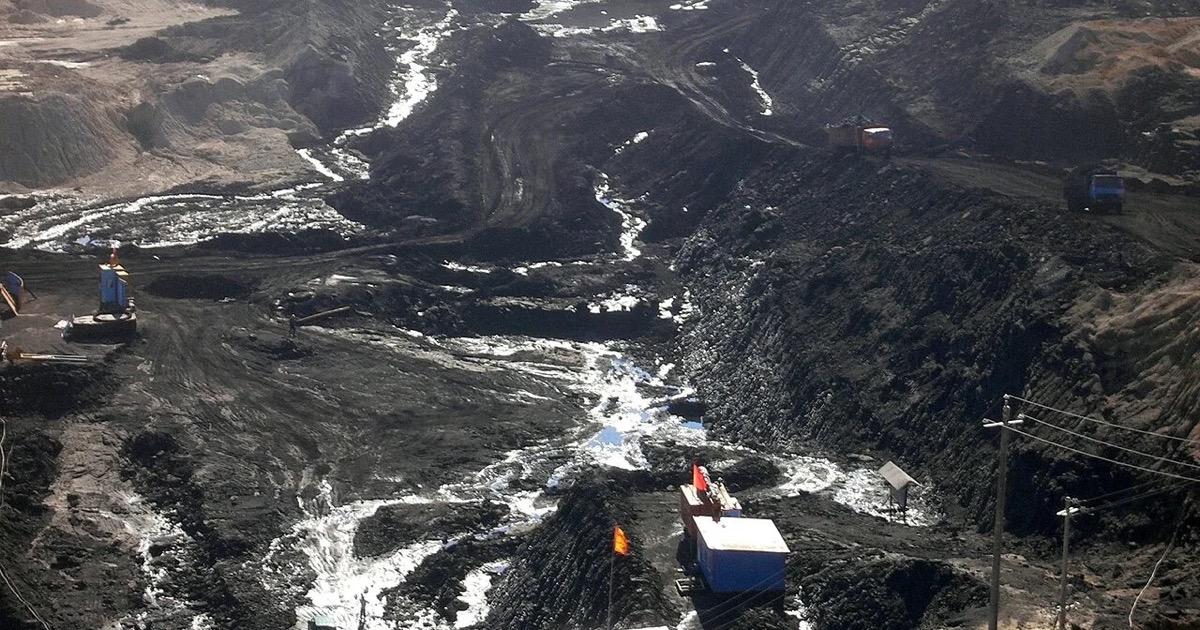
China has released its Coal Industry Development 15th Five-Year Plan, setting the direction for the coal sector from 2026 to 2030.
The message is clear: coal will continue to play a major role in China's energy system, but the industry will face stronger expectations around efficiency, digitalization, methane control, and carbon management.
For companies in coal mining, power generation, industrial energy use, methane abatement, clean-energy equipment, and carbon-accounting services, this plan is worth watching closely.
What Changed?
The plan was issued by China's National Development and Reform Commission and National Energy Administration.
By 2030, the plan targets:
- Coal consumption reaching a peak during the planning period
- Large modern coal mines reaching 87% of national coal capacity
- Smart-coal-mine capacity reaching 75%
- Stronger whole-system energy-efficiency and carbon-efficiency performance
- Expanded coal-bed methane and mine-gas development and utilization
- Coal-bed methane production reaching 26 billion cubic meters
- Mine-gas utilization reaching 6.5 billion cubic meters
- More coordinated methane-control work across coal extraction and gas utilization
The plan also emphasizes safer production, smarter mining, cleaner coal use, green mine development, and deeper integration between coal and new energy.
The Big Picture: Coal Is Not Disappearing, But It Is Changing
China's coal strategy is not a simple story of phase-out. Instead, the plan shows a dual-track approach: coal remains a basic energy-security pillar while the supply system is modernized through larger and more advanced mines, smart mining and AI applications, better energy and carbon efficiency, and greater methane capture and utilization.
This means China will continue to invest in coal-system reliability, while also pushing the industry to become more efficient, more digital, and more measurable from a carbon perspective.
For companies, the key signal is this:
Coal-related emissions will be managed more actively, not ignored.
Why Methane Is a Key Focus
Methane is a powerful greenhouse gas. In the coal sector, methane can be released during coal extraction, especially from underground mines and coal-bed methane resources.
The new plan links methane management with three goals:
- Improving coal mine safety
- Increasing usable gas supply
- Reducing greenhouse gas emissions
By setting targets for coal-bed methane production and mine-gas utilization, the plan creates a stronger policy basis for methane monitoring, capture, utilization, and accounting.
This could increase demand for:
- Methane detection equipment
- Gas drainage and utilization systems
- Mine-gas power generation and heating projects
- Methane measurement and reporting tools
- Carbon and methane accounting services
- Verification and data-management platforms
Why Carbon Efficiency Matters
The plan calls for stronger energy and carbon-efficiency performance across the coal system.
This is important because coal-sector carbon management is not limited to combustion at power plants. It can also include emissions from:
- Coal extraction
- Mine ventilation and methane release
- Electricity and fuel use at mining sites
- Coal washing and processing
- Transportation and logistics
- Mine equipment and operations
- Coal-based industrial use
The plan also mentions research into carbon-emission and carbon-footprint monitoring methods for coal production. That creates a meaningful signal for future mine-level data systems and carbon-footprint methodologies.
In practical terms, companies may need to prepare for more detailed tracking of:
- Energy consumption
- Methane emissions
- Production efficiency
- Mine-level carbon intensity
- Clean transport use
- Renewable-energy integration at mining sites
- Carbon-footprint data for coal production
Who Is Affected?
This plan matters most for:
- Coal mining companies
- Coal-bed methane developers
- Power generators
- Steel, cement, chemicals, and other coal-intensive industries
- Mining equipment and automation providers
- Methane monitoring and abatement technology providers
- Renewable-energy and electrification equipment suppliers
- Carbon-accounting, MRV, and verification service providers
- Financial institutions assessing transition risk
Even companies outside coal mining may be affected if they rely heavily on coal-based energy or purchase coal-intensive inputs.
What Companies Should Prepare For
Companies should not treat this plan as only an energy-supply document. It is also a carbon-data and transition-management signal.
1. Build Better Mine-Level and Facility-Level Data
Companies should improve data collection for energy use, methane, production volumes, equipment efficiency, and gas utilization.
2. Track Methane More Seriously
Methane data may become increasingly important for policy evaluation, investor scrutiny, ESG reporting, and carbon-performance claims.
3. Prepare for Carbon-Footprint Methods in Coal Production
The plan's reference to carbon-emission and carbon-footprint monitoring suggests that coal production may face more structured accounting expectations.
4. Invest in Efficiency and Smart Operations
Smart mines, AI applications, automated equipment, and energy-management systems are becoming part of the sector's modernization path.
5. Be Careful With Transition Claims
Companies should avoid vague claims such as "clean coal" or "low-carbon coal" unless they can support them with clear data, boundaries, and evidence.
Why This Matters for ESG and Carbon Accounting
The plan reinforces an important trend: China's energy transition will be data-heavy.
For ESG teams and carbon-accounting providers, this creates new work around:
- Methane measurement
- Mine-level emissions data
- Product and process carbon intensity
- Carbon-footprint methodology development
- Audit trails and verification
- Energy-efficiency performance tracking
- Transition-risk disclosure
The coal sector may remain carbon-intensive, but the quality of its emissions data is likely to become much more important.
Conclusion
China's 2026-2030 coal plan does not signal a rapid move away from coal. Instead, it shows a more complex transition path: coal remains central to energy security, while the industry is pushed toward modernization, methane control, smart mining, and stronger carbon-efficiency management.
For companies, the message is practical.
The future of coal in China will not only be measured in tonnes produced. It will increasingly be measured in methane captured, energy saved, emissions tracked, and carbon intensity reduced.
For ESG, carbon accounting, and clean-technology service providers, this plan creates a clear opportunity: help coal-related companies move from basic compliance to measurable, evidence-based transition management.
Sources
Climate Seal Resources
Do you find our content useful? Get updated once a week
Receive a concise weekly digest of new articles, regulatory insights, and practical guidance.
